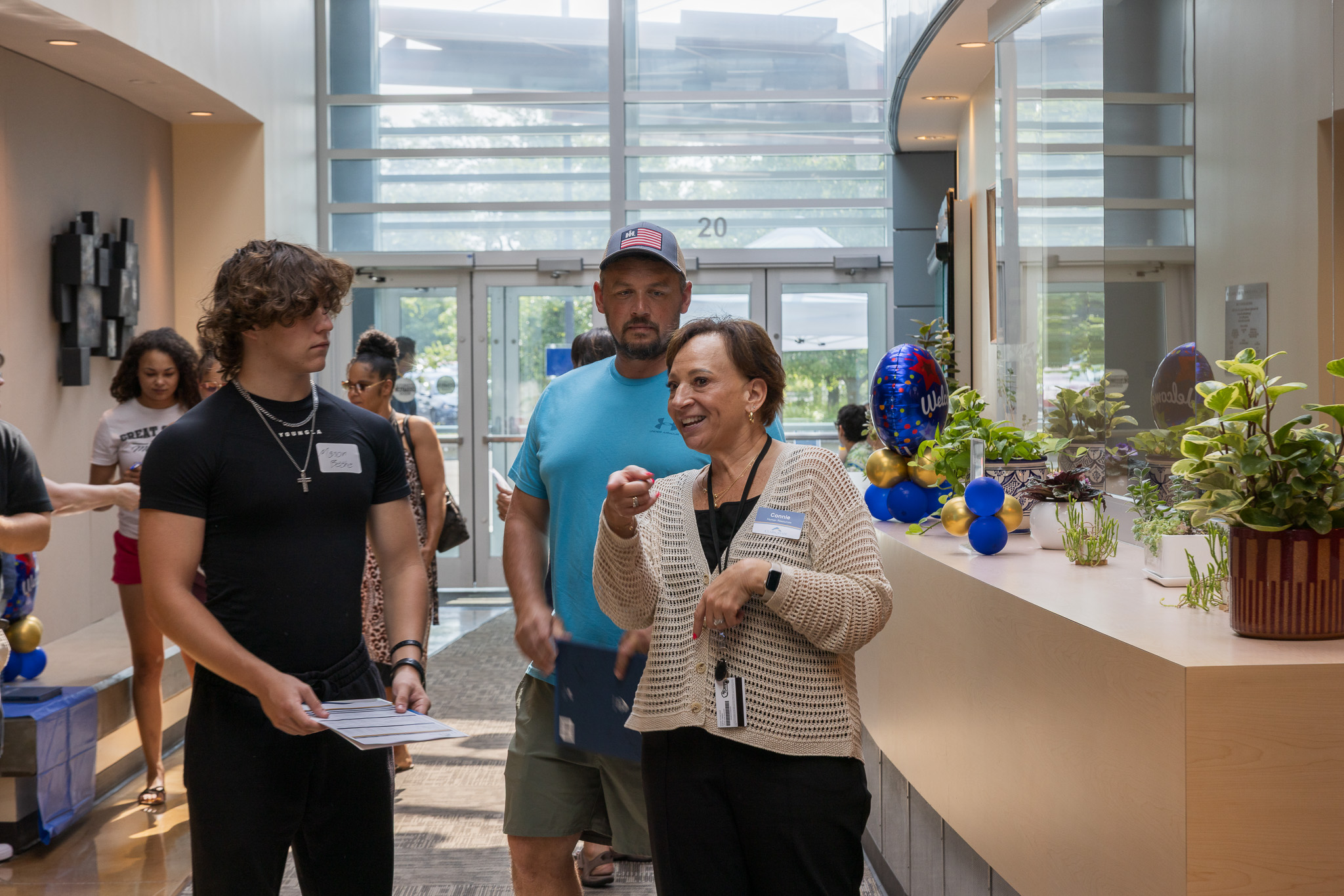
At Texas A&M University – Kingsville (TAMUK), establishing a caring and welcoming culture is a cornerstone of the student experience. As a Caring Campus, TAMUK continues to foster an environment where students feel valued, supported, and empowered to achieve their educational goals. One such student is Amberly Zaragoza, a graduate student in plant and soil science, whose journey at TAMUK exemplifies the impact of this caring culture. Zaragoza transferred to TAMUK as an undergraduate student, where she began pursuing a degree in animal science, after attending a community college for two years. A class on soils for her major first ignited her passion for plant and soil sciences, and she decided to pursue a master’s degree with the encouragement of her dean.
Patrick & Henry Community College in Martinsville, Va. is enhancing its campus culture and promoting student success through the adoption of Caring Campus, creating a welcoming and inclusive environment for all students. Patrick & Henry Community College first heard about Caring Campus during a kickoff event for the Rural Pathways Initiative with the National Center for Inquiry and Improvement (NCII) in 2022.
Three Caring Campus community colleges have been named 2025 Aspen Prize for Community College Excellence finalists by the Aspen Institute, shining a light on their exceptional commitment to fostering a culture of care that drives student success. Northwest Vista College in Texas, Wallace State Community College in Alabama, and Moorpark College in California are three out of the 10 institutions chosen as finalists from more than 1,000 community colleges nationwide. Awarded every two years, the Aspen Prize recognizes colleges with high and improving levels of student success, as well as equitable outcomes for students of color and those from lower-income backgrounds.
The Institute for Evidence-Based Change (IEBC) is bringing Caring Campus to rural colleges and universities nationwide with support from an ECMC Foundation grant, helping students to successfully navigate the transition to college life by establishing a sense of belonging and connection on campus. Rural colleges often face unique challenges with student persistence and success. Students from rural, tight-knit communities can experience culture shock and feel disconnected when transitioning to a new campus environment, according to ECMC Foundation Program Officer Stephanie Sowl. Caring Campus provides staff and faculty with the tools, resources, and support needed to create an inclusive and welcoming on-campus environment for students of all demographics. Data shows that retention, persistence, and success rates increase when students feel connected to their campus.
Victor Valley College (VVC) has experienced a transformation by weaving Caring Campus principles and strategies across its campus, impacting the college’s culture, enrollment, and community engagement, and making VVC a model for other institutions of higher education. The results of VVC’s cultural shift are especially evident in the college’s enrollment growth. Despite a 20% drop in enrollment during the COVID-19 pandemic, VVC has rebounded with a 50% increase over the past two years. VVC President Dr. Dan Walden cites Caring Campus as a contributing factor to this increase.
Imperial Valley College, located in Imperial, CA, is reinforcing its commitment to improving student retention, persistence, and success by participating in a Caring Campus Refresh, re-engaging its staff in the principles necessary to create a supportive and caring educational environment. Across the nation, numerous institutions have undertaken a Caring Campus Refresh to reinforce their commitment to student success. The Refresh sessions offer a more condensed and targeted approach compared to the traditional curriculum, while still following a similar format.
The Institute for Evidence-Based Change’s (IEBC) Caring Campus and its role in boosting student retention and success were highlighted during the National Institute for Staff and Organizational Development (NISOD) conference. Held May 28, the conference gathered higher education staff, faculty, and administrators from across the country to examine data showing that many college students fail to reach their educational goals, and learn how IEBC and Caring Campus helps to keep college students engaged and enrolled until they successfully complete their studies.
The Alamo Colleges District is pioneering the implementation of Caring Campus at the district office level, extending the program to a new group of educators, and embedding Caring Campus principles across the Alamo Colleges to foster a more cohesive and supportive environment, ensuring students have the support they need to succeed. The Institute for Evidence-Based Change (IEBC) developed Caring Campus to provide staff and faculty with a set of behavioral commitments designed to establish a culture of care on campus, thereby increasing retention, persistence, and success for all students.
Porterville College President Dr. Claudia Lourido-Habib, inspired by her own pivotal experience with a compassionate staff member during college, brought Caring Campus to her school to foster a community where students feel recognized and valued, leading to increased success for all students. The Institute for Evidence-Based Change created Caring Campus to provide college and university staff and faculty with the tools and resources needed to create a welcoming environment for students. By establishing a culture of care on campus, students are empowered to persist and succeed in their educational goals.
Orange Coast College is enhancing its commitment to student well-being and success by embracing the principles of Caring Campus, empowering staff to foster a student-centric environment grounded in intentionality and care. The Institute for Evidence-Based Change created Caring Campus as a way to increase college students’ sense of belonging and connectedness with their institution, resulting in greater retention, persistence, and success rates for students of all demographics.