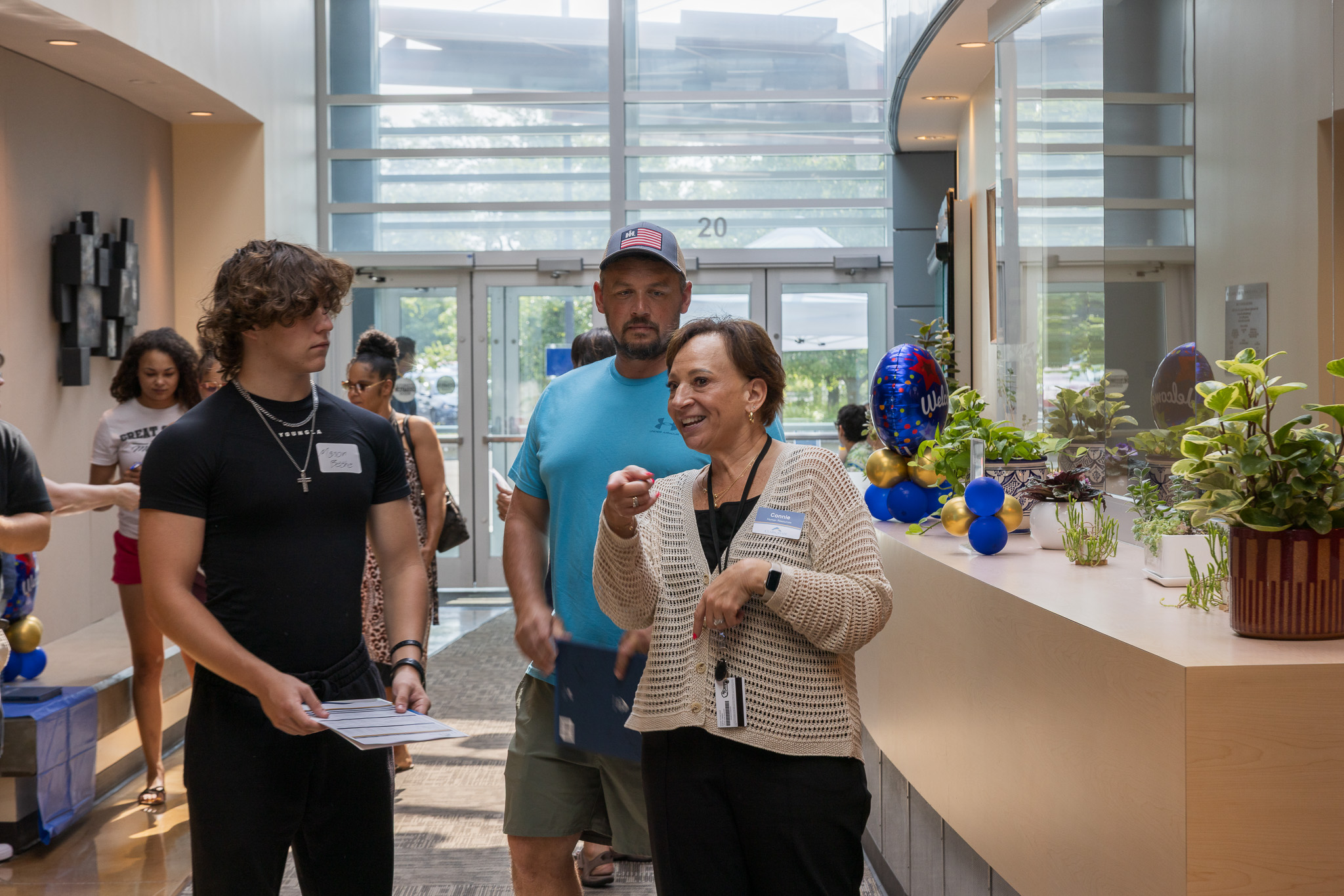
Temple College has seen a dramatic increase in student engagement in part by integrating tools and strategies that staff and faculty learned through Caring Campus, which helps educational institutions create welcoming and supportive campuses to promote success of all students. The Institute for Evidence-Based Change created Caring Campus to provide higher education institutions with the knowledge and tactics to increase students’ feelings of connectedness on campus, thereby improving overall persistence, retention, and graduation rates. Texas-based Temple College credits Caring Campus as a contributing force in their student population reaching a full-time majority, with 52% of students enrolled full-time in 2022, compared to 46% in 2020
IEBC Partnership Seeks to Sustain and Institutionalize Caring Campus
The Institute for Evidence-Based Change’s (IEBC) longtime partner, California Community College Classified Senate, is producing a guide outlining strategies for community colleges to sustain and institutionalize Caring Campus beyond its initial implementation, integrating the program's principles and strategies into the college's culture for long-term effectiveness. IEBC created Caring Campus to provide staff and faculty with tools and resources to help students feel more connected to their college, thereby improving student retention, persistence, and success.
L.A. Pierce College Strengthens Campus Culture Through Caring Campus
Los Angeles Pierce College is strengthening its culture of belonging for both students and staff by successfully implementing Caring Campus, a program that teaches principles, tactics, and habits to create a more welcoming, connected environment, thereby improving student retention and success. Data from the Institute for Evidence-Based Change shows that students who feel more connected to their college are more likely to be retained, persist from semester to semester, and complete their academic goals. Caring Campus’ work to increase connectedness aims to help ensure students achieve all that they can from their college experience.
The Institute for Evidence-Based Change’s (IEBC) longtime partner, California Community Colleges Classified Senate (4CS), is producing a guide outlining strategies for community colleges to sustain and institutionalize the Caring Campus initiative beyond its initial implementation, integrating the program's principles and strategies into the college's culture for long-term effectiveness. IEBC created Caring Campus to provide staff and faculty with tools and resources to help students feel more connected to their college, thereby improving student retention, persistence, and success. 4CS is a nonprofit organization made up of volunteers from across the California Community College system who advocate for shared governance for all classified professionals. IEBC and 4CS have partnered together since 2019, when IEBC President and Founder Dr. Brad Phillips delivered the keynote speech at a 4CS Classified Leadership Conference.
Los Angeles Pierce College is strengthening its culture of belonging for both students and staff by successfully implementing Caring Campus, a program that teaches principles, tactics, and habits to create a more welcoming, connected environment, thereby improving student retention and success. Data from the Institute for Evidence-Based Change shows that students who feel more connected to their college are more likely to be retained, persist from semester to semester, and complete their academic goals. Caring Campus’s work to increase connectedness aims to help ensure students achieve all that they can from their college experience.
Colleges and universities are seeing an increasing number of learners from diverse backgrounds on their campuses, making it crucial for the institutions to establish cultures that welcome these students and set them up for success.One recognized and respected way to achieve this is Guided Pathways, a framework of structural and policy changes that help higher education institutions redesign the college experience, giving all students the support they need to feel welcomed and thrive on campus. The Institute for Evidence-Based Change’s (IEBC) Caring Campus builds on Guided Pathways by introducing cultural and behavioral practices, providing a holistic framework aimed to propel higher education toward a future where students seamlessly achieve their academic and career goals.
The Institute for Evidence-Based Change (IEBC) is bringing Caring Campus to Texas A&M University – Kingsville (TAMUK), the first university to adopt the program as IEBC expands its reach to establish a culture of care on campuses nationwide. TAMUK joins the more than one hundred community colleges across the country who have implemented Caring Campus at their institutions, thereby improving student connectedness and boosting their determination to succeed. Data shows that if students do not feel connected to the institution they attend, they are far less likely to persist and graduate. With that in mind, IEBC has developed its Caring Campus program to increase students’ sense of belonging and increase student success for all students.